


You've probably heard of NFTs by now.
It stands for non-fungible token, with the non-fungible bit meaning they're unique and can't be swapped out with a duplicate work.
Broadly speaking, they're one-of-a-kind digital art. Unlike regular digital productions, though, they rely on cryptocurrencies and the blockchain to ensure they cannot be identically reproduced.
That's NFTs in a nutshell. But, if you're like many Aussie investors, you may not know how to go about valuing them. Or, indeed, why they have any value at all.
So, are NFTs a bubble awaiting a pin or the next big investment theme?
The answer could be a bit of both.
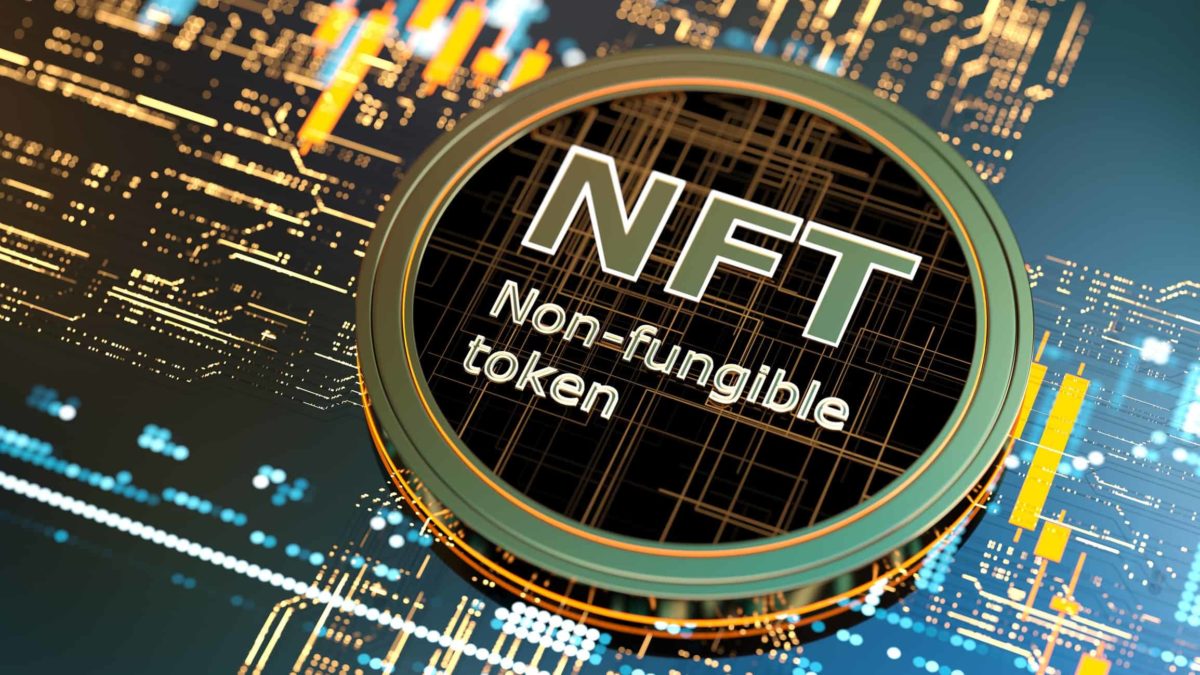
Image source: Getty Images
What was the first NFT?
To gain a broader insight into the risks and rewards of investing in NFTs, we turned to Ray Brown, market analyst at Australian crypto exchange CoinSpot.
First, we wanted to know how long they've actually been around.
Brown told the Motley Fool:
In 2012, Colored Coins hit the scene, and many still argue that they are the very first NFTs to exist. They're made of small denominations of a bitcoin [Bitcoin (CRYPTO: BTC)], and can be as small as a single satoshi, the smallest unit of a bitcoin.
Colored Coins can be used to represent a multitude of assets and have multiple use cases including property, coupons, the ability to issue your own crypto, issue shares of a company, subscriptions, access tokens and digital collectables.
This was a big step for Bitcoin's capabilities back then, which Brown said, "opened the door to further experimentation in applying blockchain technology for other purposes, laying much of the initial groundwork for NFTs".
And Colored Coins look to have sparked a range of related work. According to Brown:
Closely after, a string of other similar projects followed, including the peer-to-peer financial platform Courterparty, Cryptopunks, Dapper Lab's CryptoKitties, and Ethereum-based VR platform, Decentraland which lets players buy up empty parcels of 3D virtual space. Decentraland's ICO [initial coin offering] raked in US$26 million in just half a minute.
The 2 highest valued non-fungible tokens to date
NFTs tend to get the most media attention, and pop up on ASX investors' radars when they sell for mind boggling sums of money.
With that in mind, we asked Brown which 2 have fetched the highest selling prices to date.
His answer, "Everydays: The First 5000 Days by Beeple."
The artwork from "veteran digital artist Beeple" was bought earlier this year by Bitcoin billionaire Vignesh Sundaresan (aka MetaKovan) for an extraordinary US$69.4 million.
Coming in at number 2, with a sale price of US$11.8 million, is CryptoPunk #7523 (aka Covid Alien) by Larva Labs, sold by Sotheby's auction house in June 2021.
Are NFTs the 21st century version of Tulip Mania?
The chief concern among any would be investors in NFTs is whether they'll hold their value. Or are they akin to soaring Dutch tulip prices in 1636, which promptly collapsed in 1637.
Brown told The Motley Fool:
Yes, some NFTs have built hype and excitement much like Tulip Mania. But it's not always the case. And given we are often talking about art or tokens that provide utility, the value proposition is far more subjective.
NFTs are proving they are more than just a "craze", and have many real life applications, beyond just digital art and collectibles.
He also drew the distinction that, unlike tulips, non-fungible tokens aren't perishable. That gives investors a longer timeline to recoup any money, should they lose value. "As long as the collector doesn't sell the unique NFT, the asset will retain value over time," he said.
The potential risks
One of the most important factors to consider before making any investment is the risk involved.
And investing in NFTs, as you'd expect, comes with its own unique set of risks.
Among those, Brown pointed out that:
Most NFTs don't protect collectors and investors from fraud and theft. There have been a few instances of fake websites, where NFTs hosted on the platform have disappeared and faced copyright and trade infringements.
On Nifty Gateway, a digital art online auction platform for NFTs, some user wallets were compromised and robbed of their entire NFT collection.
The potential rewards
Having touched upon the risk end of the scale, we moved onto the potential rewards on offer.
Brown broke those potential rewards down as follows.
First, the investor has true ownership of the non-fungible token they purchase:
NFTs create an ecosystem where artists can authenticate the actual ownership of their work by recording the metadata on-chain. Typically, most art pieces are physically sorted, which exposes them to the risk of being stolen or duplicated. NFTs eliminate these shortcomings by allowing artists to keep the records of the actual copy on the blockchain network.
Second is access to decentralised finance (DeFi) NFT services:
Some NFT projects such as Hoard marketplace are providing DeFi services which allows users to buy, sell, loan or rent NFTs. The platform empowers developers with tools to integrate digital art, in-game items and domain names with the Ethereum (CRPTO:ETH) blockchain.
Other potential benefits are growth prospects and value preservation:
The NFT market is growing by the day, which means most NFTs should only become more valuable and innovative as time goes on. The growth prospects of NFTs are significant and present more opportunities for creatives and investors to join the market.
And NFTs have created an ecosystem where artists can preserve their art and yield income for generations.
Then, according to Brown, there are the utility benefits:
NFTs enable businesses and individuals to acquire and protect value in real-world and virtual objects.
One NFT project by Gary Vaynerchuk called VeeFriends, is all about utility and access, meaning each NFT will have different levels of access and activities through the smart contract attached with each investment.
How can an investor value an NFT?
Now that we'd gained a better understanding of the potential risks and rewards, we asked Brown how an investor would go about valuing an NFT.
He told The Motley Fool that the value is generally calculated as, "Utility + Ownership History + Future Value + Liquidity Premium."
Brown explained:
Depending on the asset that the NFT represents, value is weighted differently across these four components. This framework can be used by investors to evaluate if an NFT is worth investing in, and by NFTs developers to think of ways to increase the value of NFTs to attract users and investors.